
Why LL-TECH
The Science Behind LL-TECH
A unique polymer technology engineered for soil stabilization and structural road performance
The Foundation
Strength, rigidity, and controlled flexibility
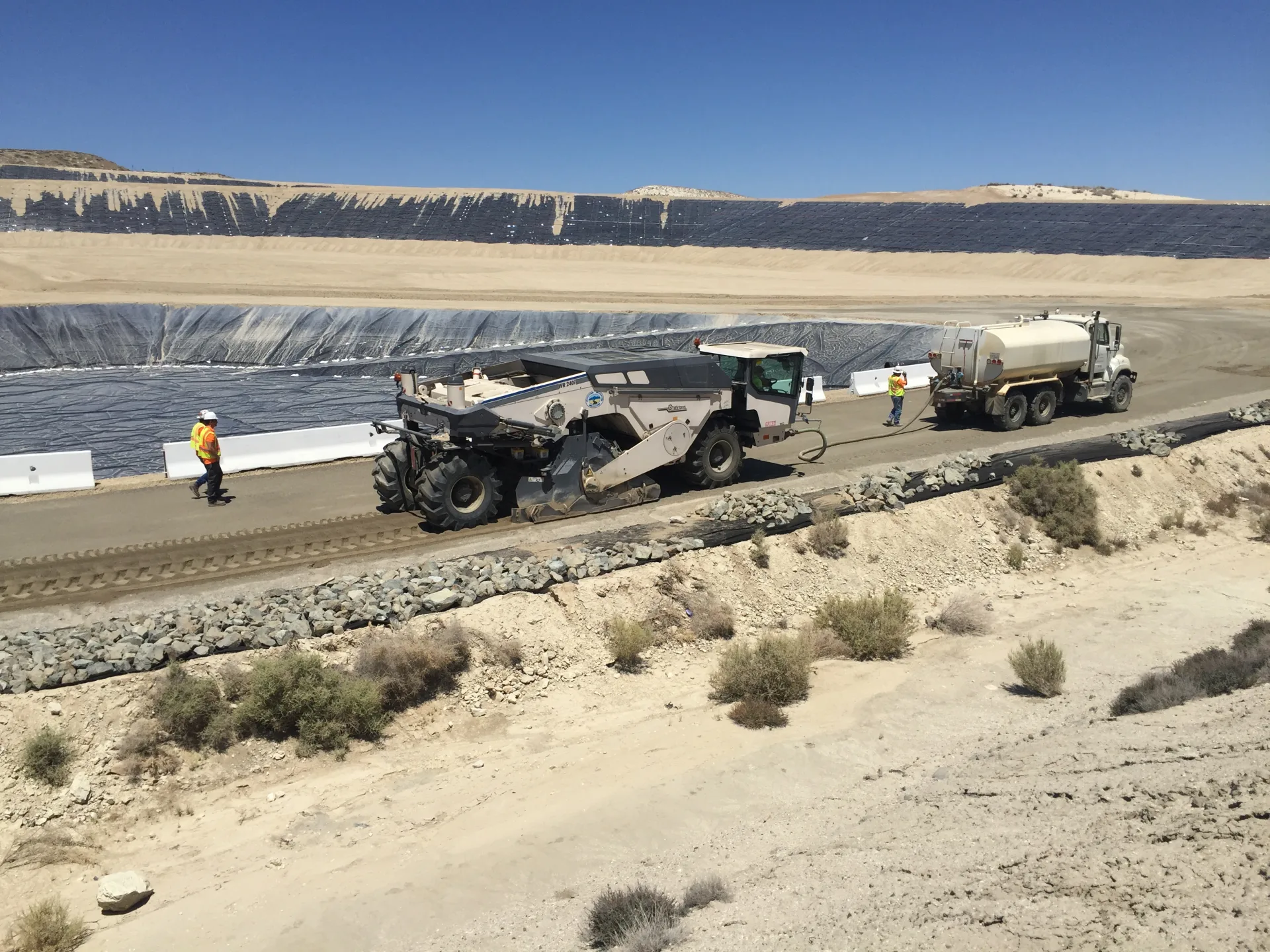
LL-TECH is a vinyl-acrylic polymer emulsion (Landlock product family LL25, LL30, LL31, OPSDIRT). Mixed with water and applied through a road reclaimer or a tanker truck, it binds the soil grains it touches into a single hardened layer instead of sitting on top of it the way asphalt does. Composition is documented in the product MSDS; permeability and strength of the resulting layer are documented in third-party lab reports.
After cure, the bound layer keeps a measurable residual flexibility rather than going fully brittle. In the field this shows up as reduced surface cracking through repeated thermal cycles and load events. We describe this as observed behavior; the underlying polymer mechanism has not been characterized in third-party rheology or DSC tests.
Compressive strength reported in lab tests on treated cores ranges from ~1,600 PSI (LL30 4% on sand-clay, ASTM C39) up to ~3,200 PSI on a 28-day specimen (ASTM C31/C42, S.A.M. Consultants 2023). Strength is soil- and dosage-dependent and confirmed by project-specific testing.
How the field workflow works
From emulsion in a tank to a hardened layer in the road
1. Stable in the tank
The neat product is a stable milky-white emulsion — vinyl-acrylic polymer dispersed in water, around 55% solids per the MSDS. No heating is needed to keep it usable; the only storage requirement is to keep it from freezing.
2. Mixed into the soil
Diluted with water (typical ratios documented in the SOPs) and injected into the scarified material by a stabilizer/reclaimer, it coats the soil grains as the cutter mixes. The water phase carries the polymer where it needs to go.
3. Cures by evaporation
After shaping and compaction, the layer cures as the water evaporates. The polymer film bonds the grains together. Strength gain has been measured through the first 28 days in the lab; full design strength depends on soil, dosage, and ambient conditions.
In one sentence
Stable in the tank · mixes into the soil · cures into a bound layer
No asphalt plant, no heating step, no specialized binder additives — just the existing soil, water, the LL-TECH emulsion, and standard road-construction equipment.
Residual Flexibility
Less brittle than cement-stabilized soil
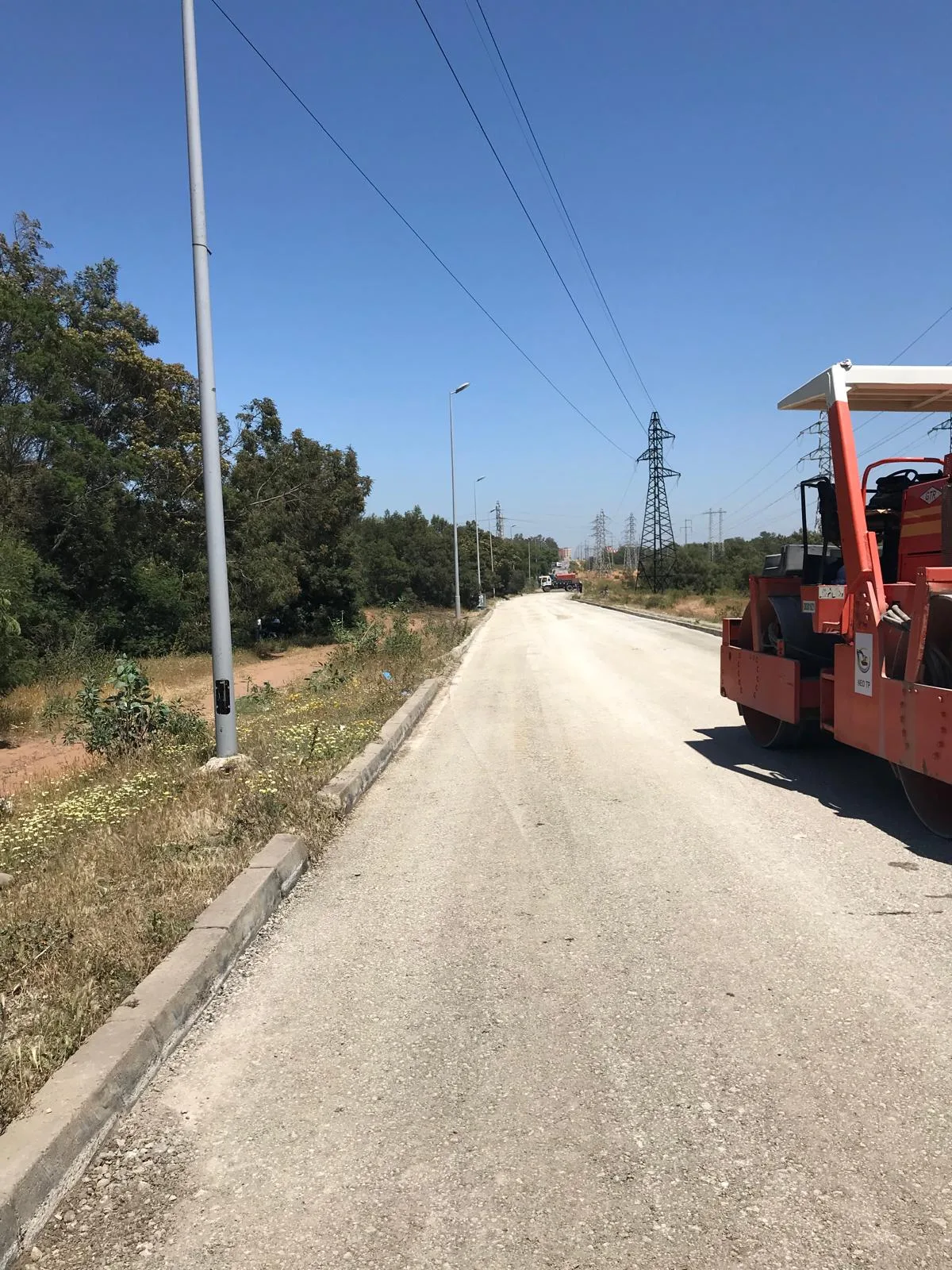
A cement-stabilized layer is rigid: it carries load very well, but it cracks under differential settlement and thermal expansion. The LL-TECH layer keeps a measurable residual flexibility after curing, which limits surface cracking through repeated thermal cycles. This is observed behavior on the bound layer; it has not been characterized in third-party polymer-chemistry tests.
- Less prone to brittle cracking than cement stabilization
- Thermal expansion accommodated without failure
- CBR maintained under soaked conditions in lab tests (ASTM D1883)
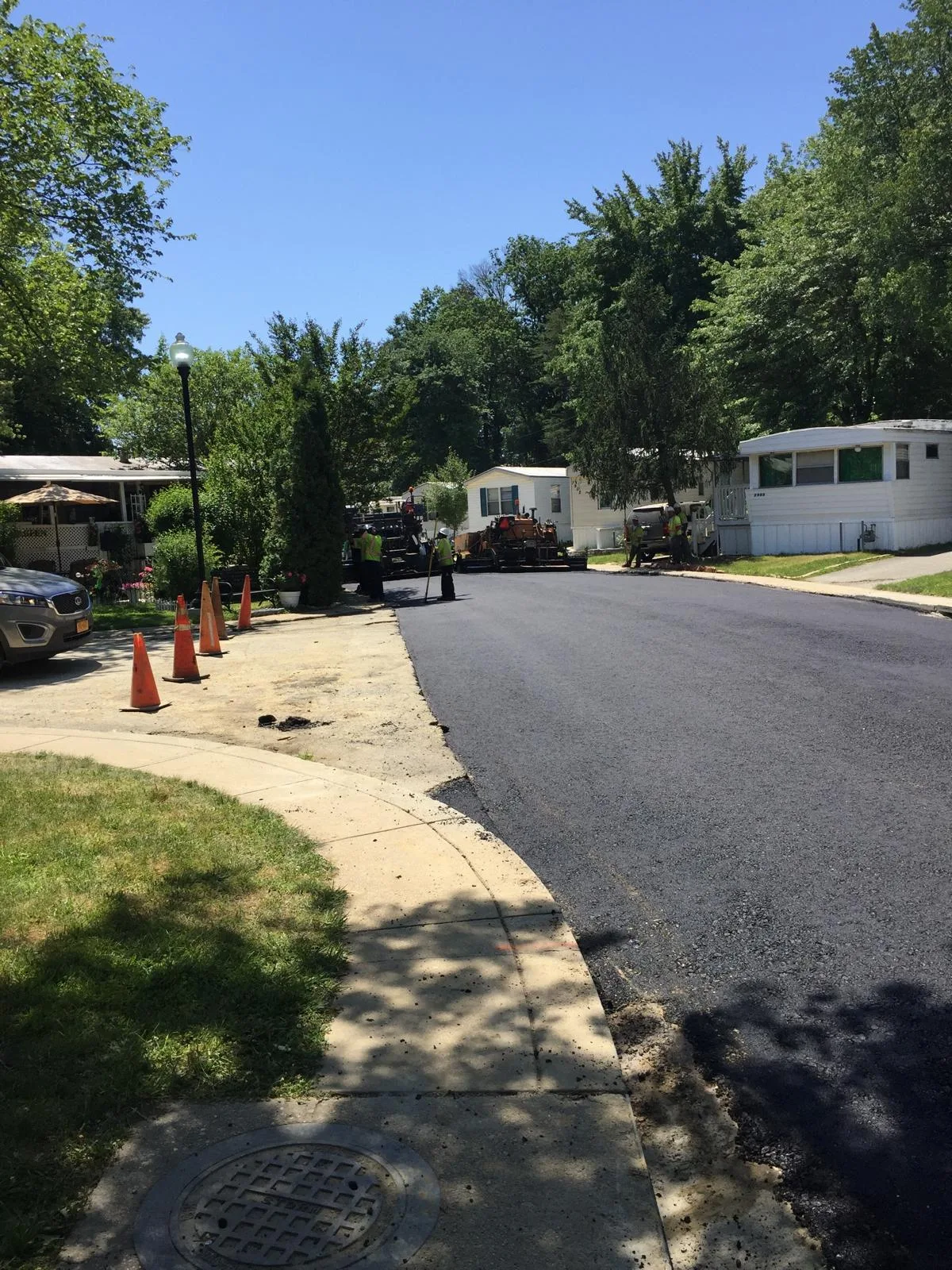
- Field installations operating across multiple winters in North America
A decade of science. Proven in the field.
LL-TECH is the result of more than a decade of research and field validation — combining next-generation organic polymers with a unique soil integration process.
Request Technical Documentation