
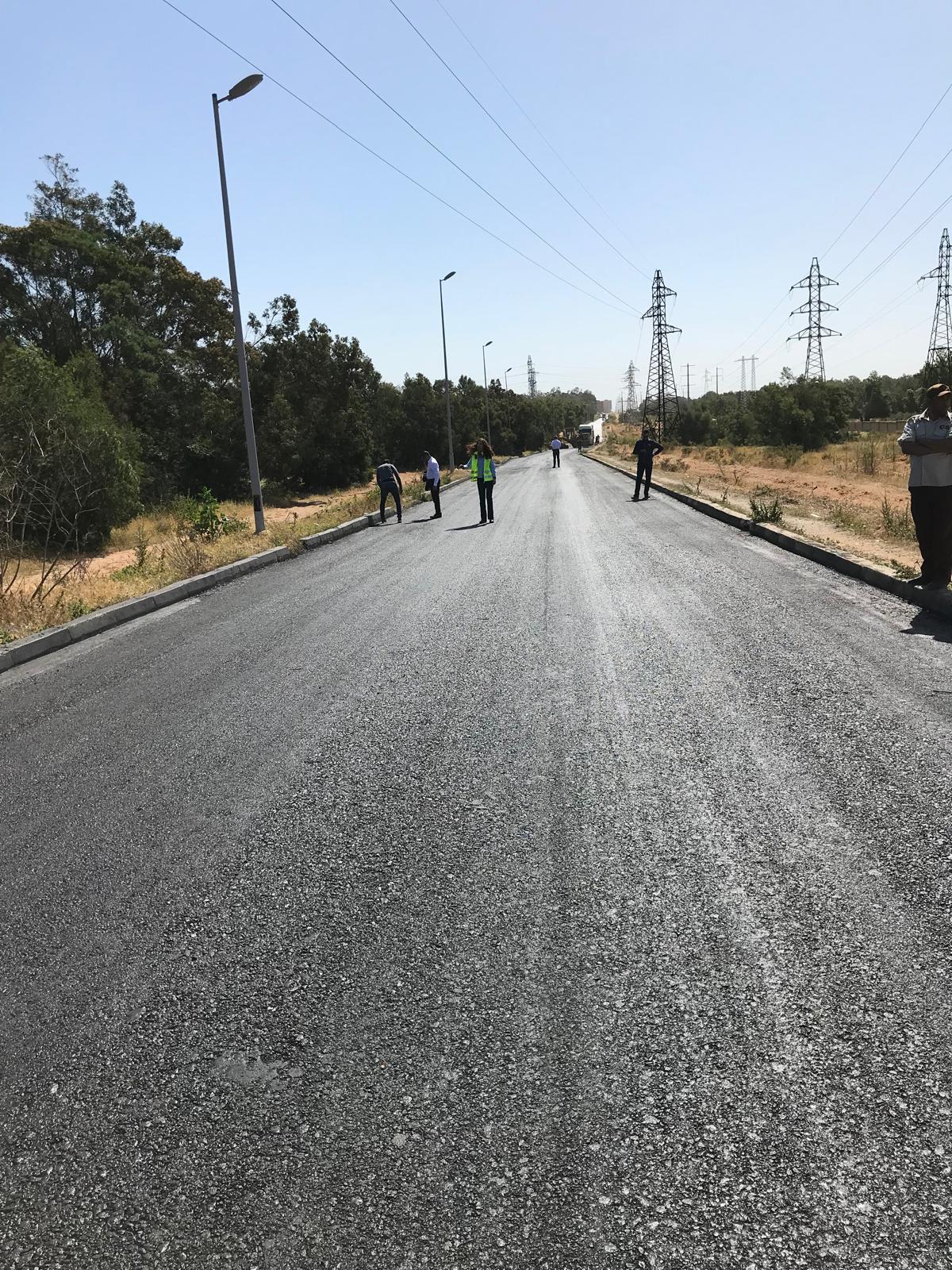
No plant.
No heat.
No haul.
Just stronger road — 2× cement strength, 30–50% cheaper than asphalt. Solecovia deploys LL-TECH polymer stabilization across Canada.
- 100% material reused
- 12–36 h to reopen
- up to 4 km/day
Installation
2 ways to install LL-TECH
LL-TECH adapts to two situations: rebuild a road from existing material, or seal an existing surface. The right choice depends on pavement condition, traffic loads, and target service life.
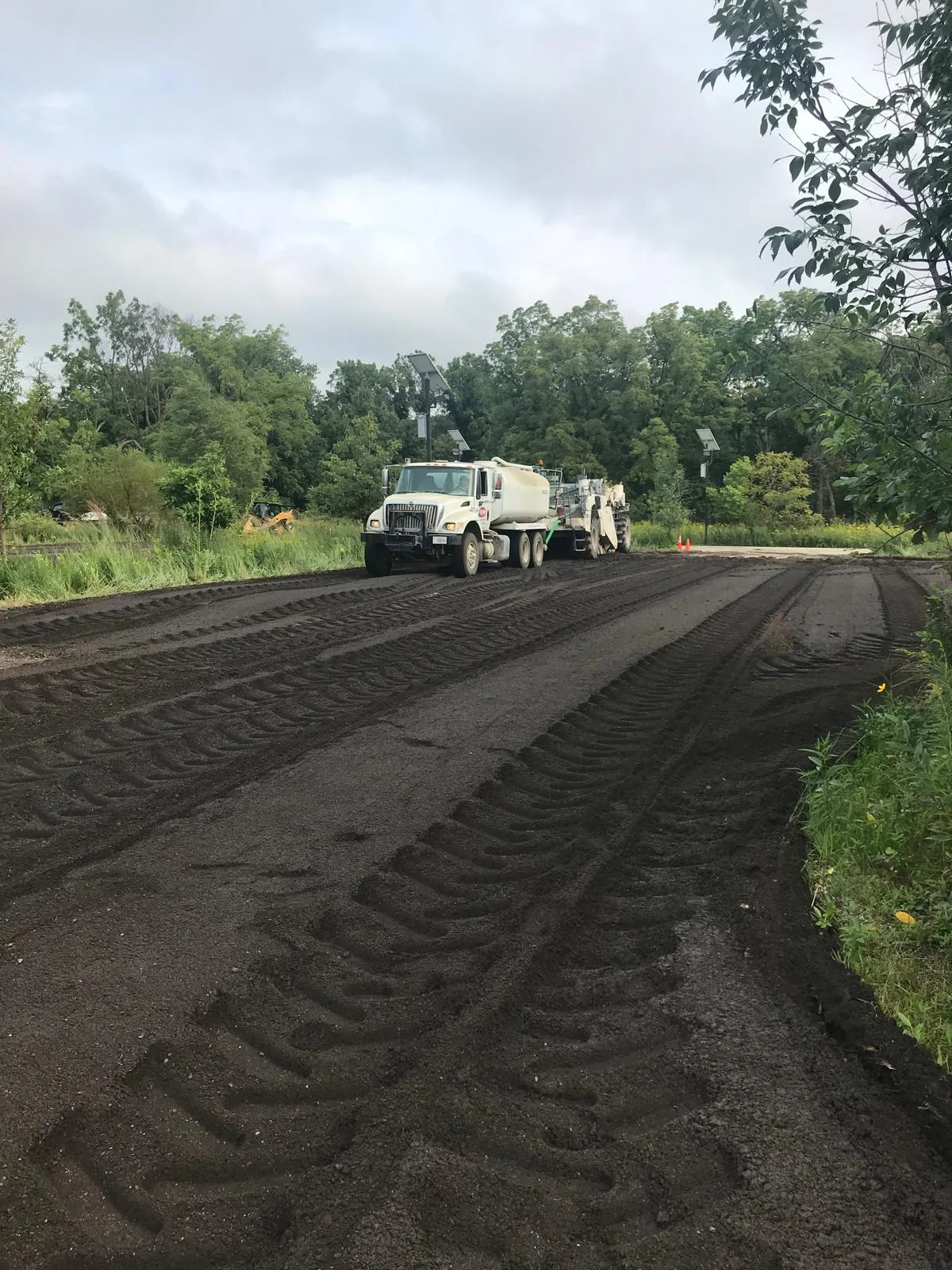
01New road from existing material
Cold in-place recycling. A reclaimer scarifies the existing pavement and base 100–150 mm deep, then integrates the LL-TECH polymer directly into the pulverized material. Shaping, compaction to 95%, and surface seal — no asphalt plant, no long-haul transport, no heating.
100% of material reused · 1,625 PSI at LL30 4% dosage · up to 4 km/day with a trained crew · reopened to traffic in 12–36 h.
Ideal for: full rehabilitation, worn municipal roads, heavy-haul routes, airstrips and structural platforms.
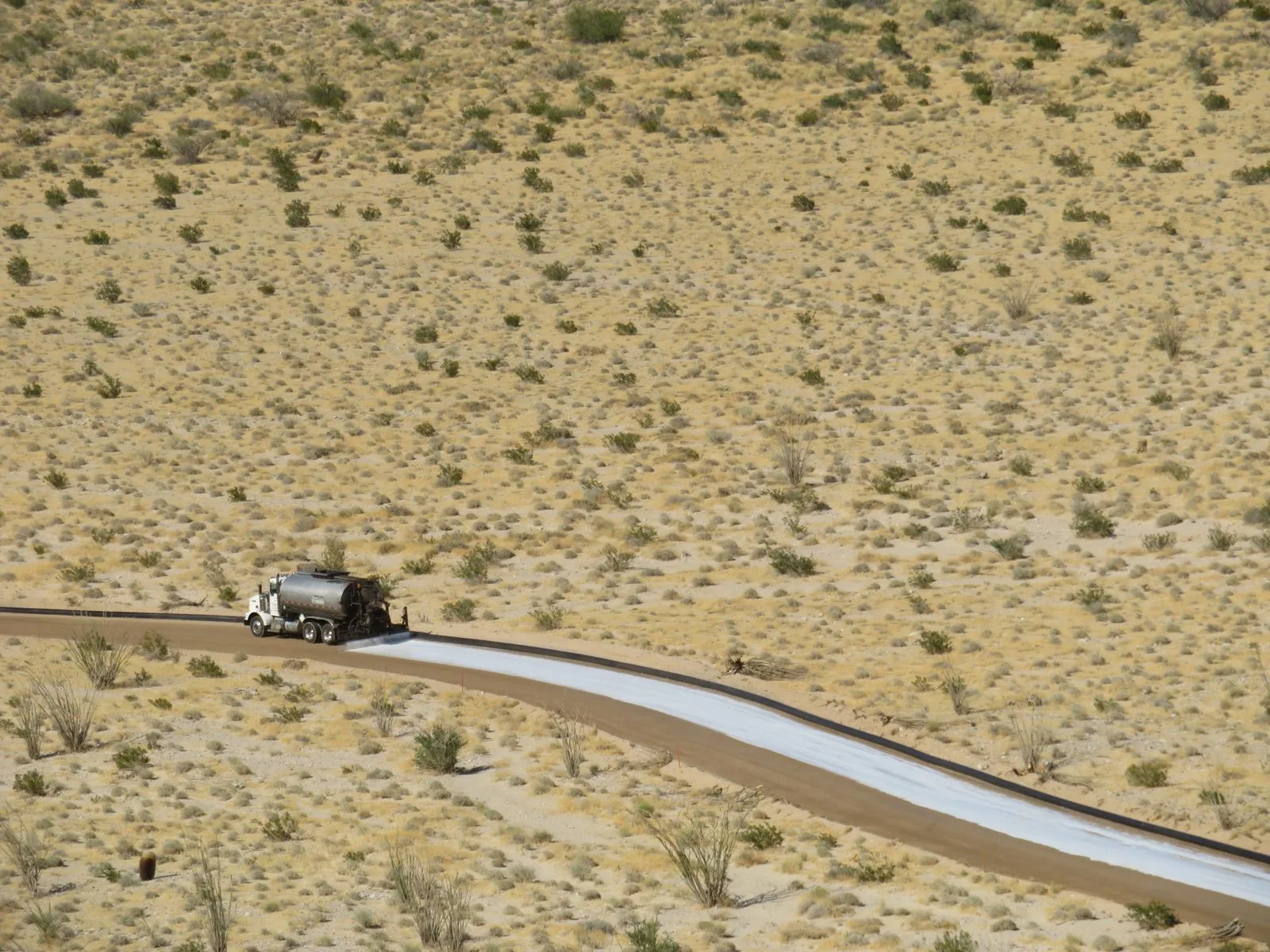
02Sealing of existing surface
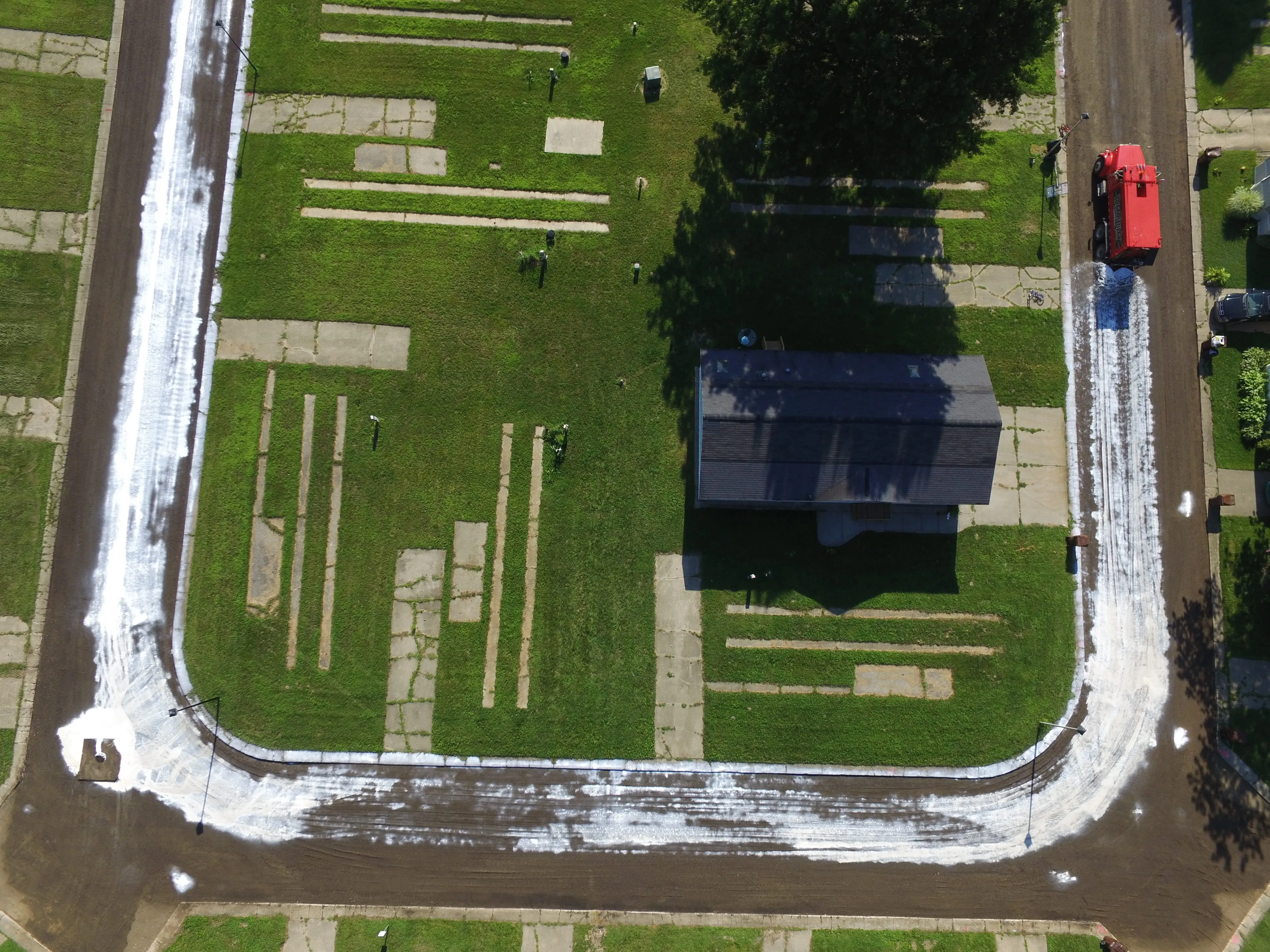
Topical application. LL-TECH is sprayed directly onto a shaped and compacted surface using a spray-bar water truck — penetrating 25–40 mm to bind fines, shed water, and stop dust at the source. No milling or mixing required when the surface is already sound.
Fast deployment · cures transparent, preserving the natural look · no statistically significant acute toxicity measured in runoff (LL25, EPA Methods 2000.0/2002.0, Coastal Bioanalysts 2013) · renewable via periodic topical maintenance coat.
Ideal for: dust and erosion control, shoulders, logistics platforms, helipads, mining access roads, life-extension surface treatment.
What sets LL-TECH apart
Three numbers tell the story — strength, speed, and cost — proven in the field and the lab.
-
2× vs cement
Stronger than cement stabilization
LL30 at 4% reached 1,625 PSI on a sand-clay specimen — versus 804 PSI for Portland Cement at 8% on the same soil (ASTM C39, S.A.M. Consultants 2016, single-specimen test).
Strength is soil-dependent — design values always come from project-specific testing.
Residual flexibility: the bound layer is not as brittle as cement-stabilized soil, which reduces cracking under the repeated thermal cycles seen in Canadian climates.
-
4 km / day, trained crew
Faster to build
Up to 4 km of structural pavement per day with a trained crew — one pass, one reclaimer, zero plant. In-place materials fully reused.
Reopened to traffic in 12–36 h under favorable conditions. The delay depends on material type, ambient temperature, and weather; high-plasticity soils may require additional time.
Standard equipment: road-building machinery available everywhere — no specialized mobilization required.
-
−30 à −50% vs asphalt
Less expensive
Observed savings of 30–50% versus asphalt, by eliminating the plant, imported materials, and heating process.
Extended service life: low susceptibility to sub-base erosion limits interim interventions, reducing total cost of ownership.
Targeted repairs: treated zones can be saw-cut and reinstated without full reconstruction.
LL-TECH vs conventional solutions
Same roads, same constraints — different methods. Here is how LL-TECH compares on the criteria that matter most against conventional options available today.
From a worn road to a structural pavement, in one day
One site pass — no plant, no long-haul transport. Click a step to explore it.
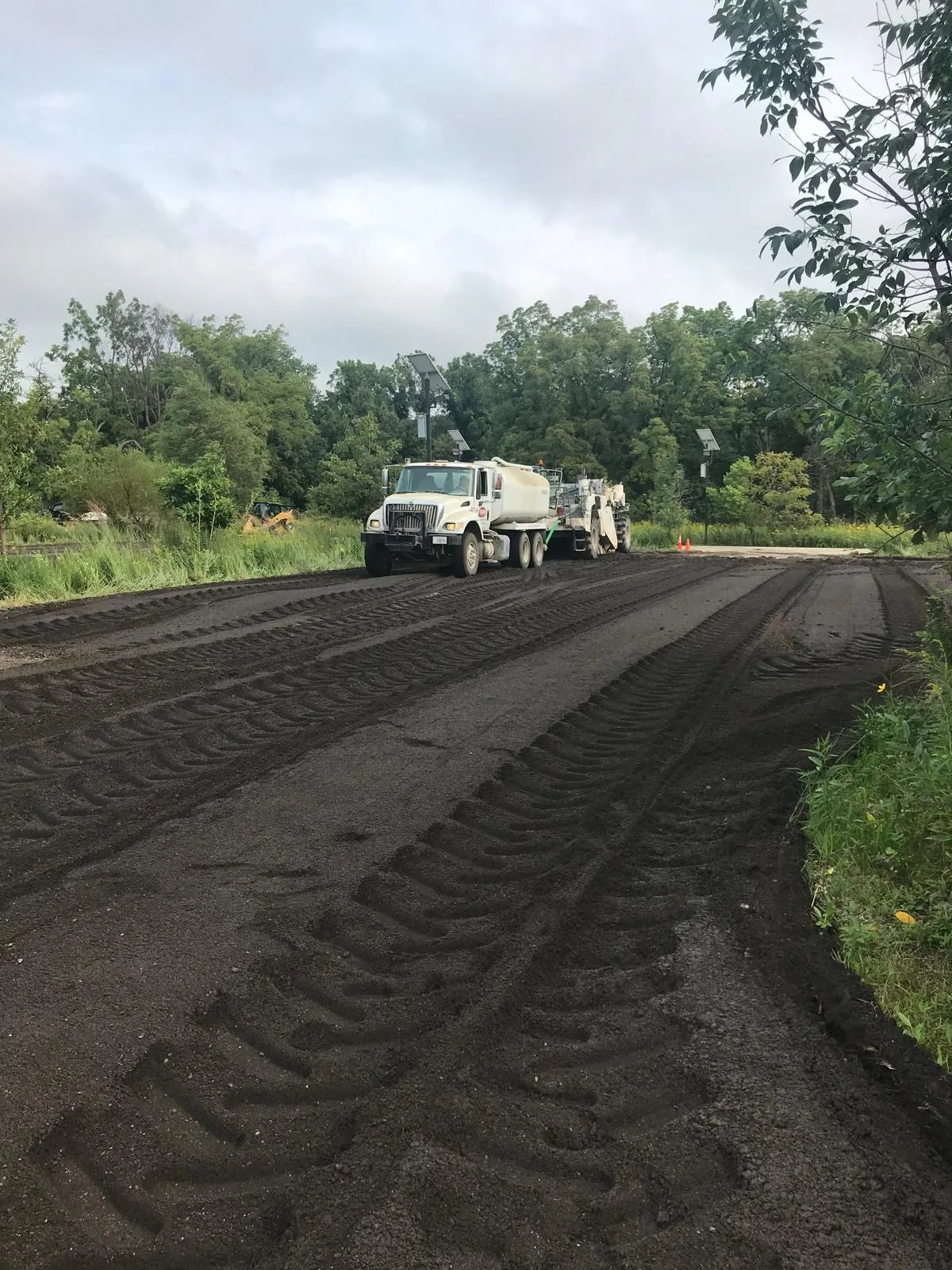
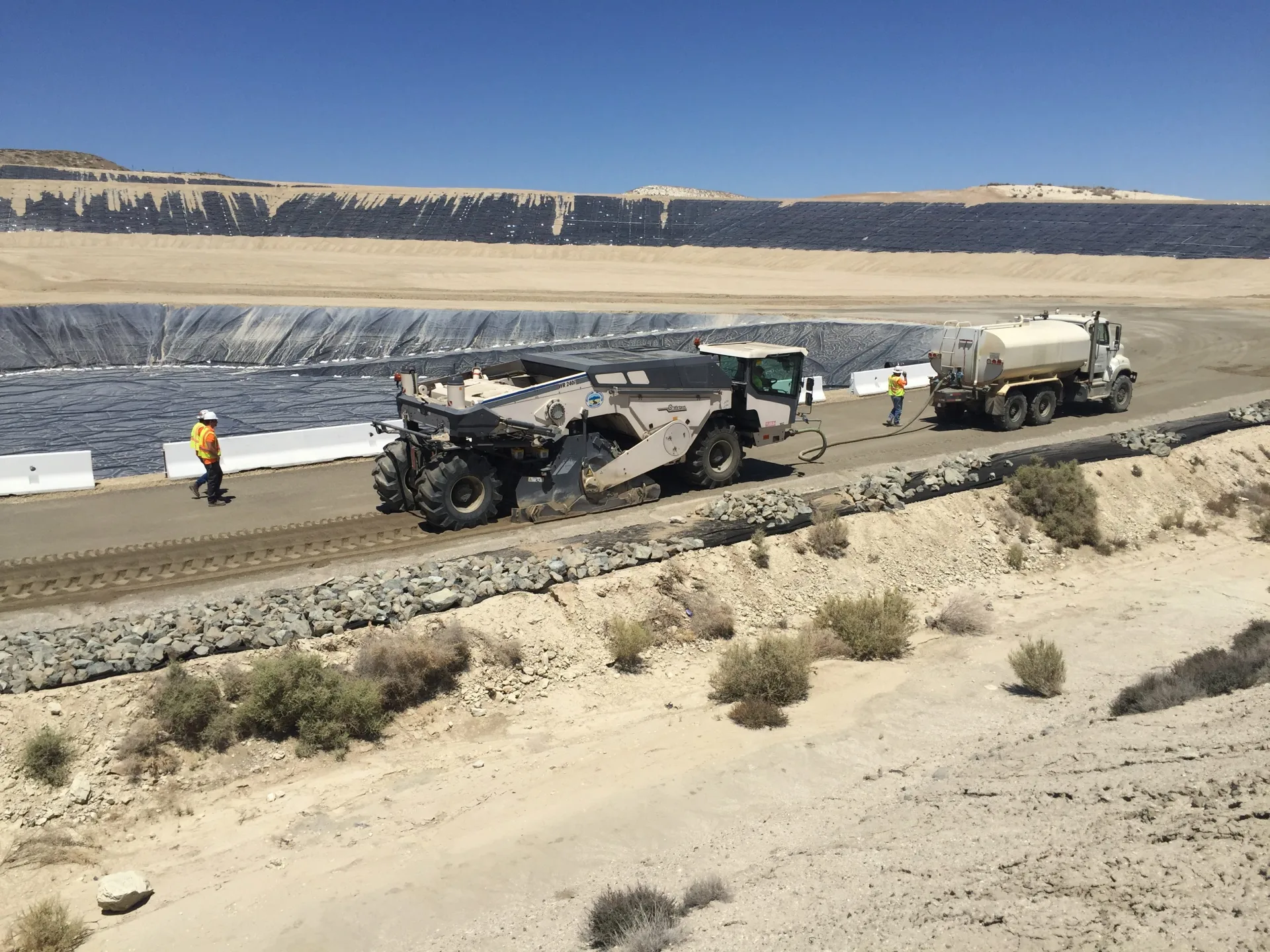
Scarification of the existing pavement
~ 1 h / km
A stabilization mill pulverizes the existing wearing course and base to the target depth — typically 100–150 mm. No material is removed: everything stays in place and is reintegrated into the final slab.
Real projects, in Canadian and northern contexts
Three projects representative of the uses encountered by municipalities, mining operators, and strategic services. Measured figures, documented conditions.
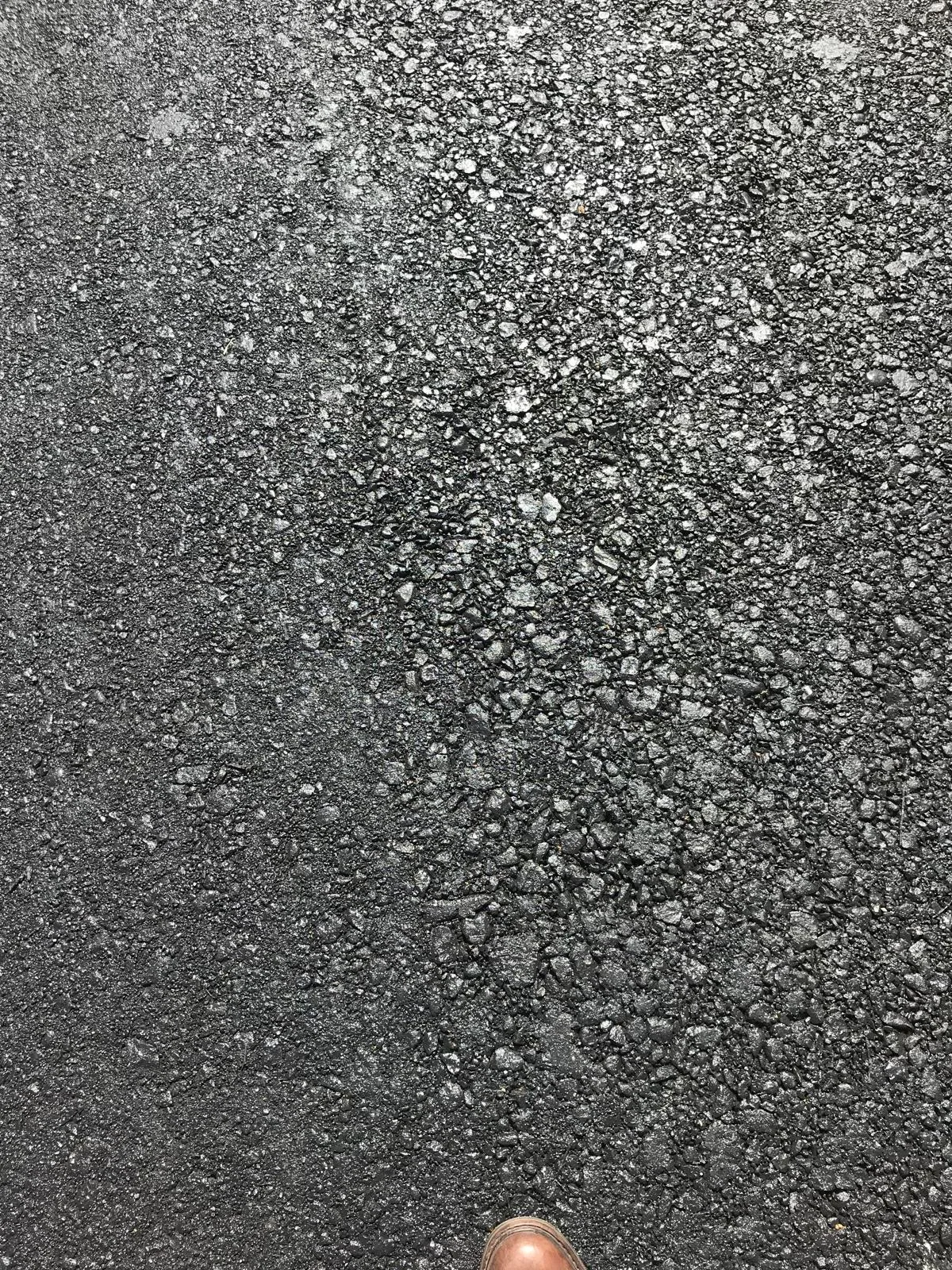
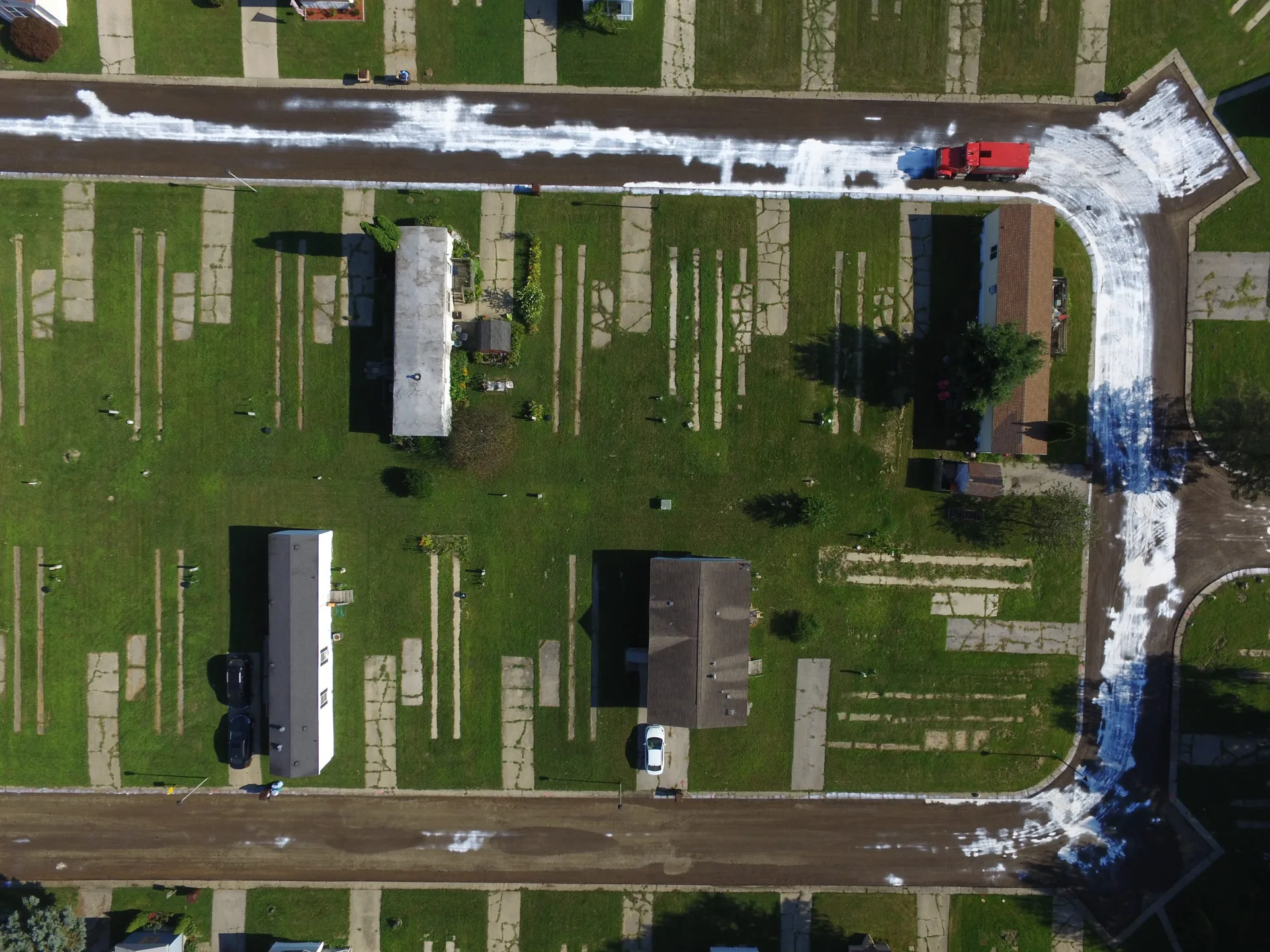
Cold in-place recycling of a residential road
Full in-place rehabilitation of an end-of-life pavement (millings + base) via LL30 cold in-place recycling. Lower-cost alternative to conventional remove-and-replace.
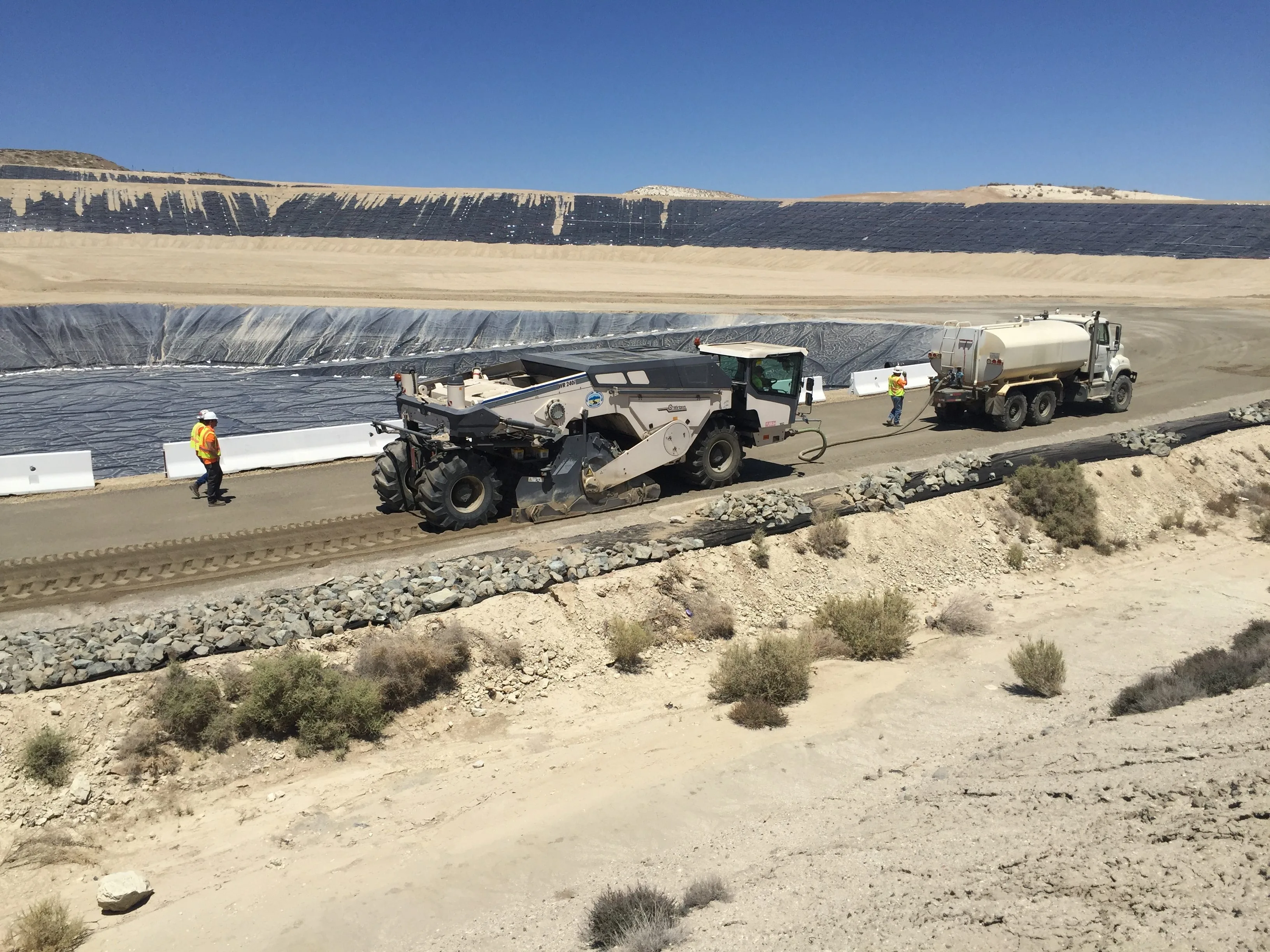
Heavy-haul road in arid desert
Construction supply route built to support heavy haul vehicles. Continuous stabilization in desert conditions with reduced water consumption.
USMC SELF — taxiway and refueling apron
Expeditionary rebuild of 380,000 SF of taxiway, apron, and refueling area using OPS.DIRT. Conventional solution estimated at roughly two months.
Documented case studies across multiple continents, in temperate, alpine, desert, and tropical climates (Landlock FLD-1 to FLD-7, 2012–2024). Project list and full reports available on request.
All case studies →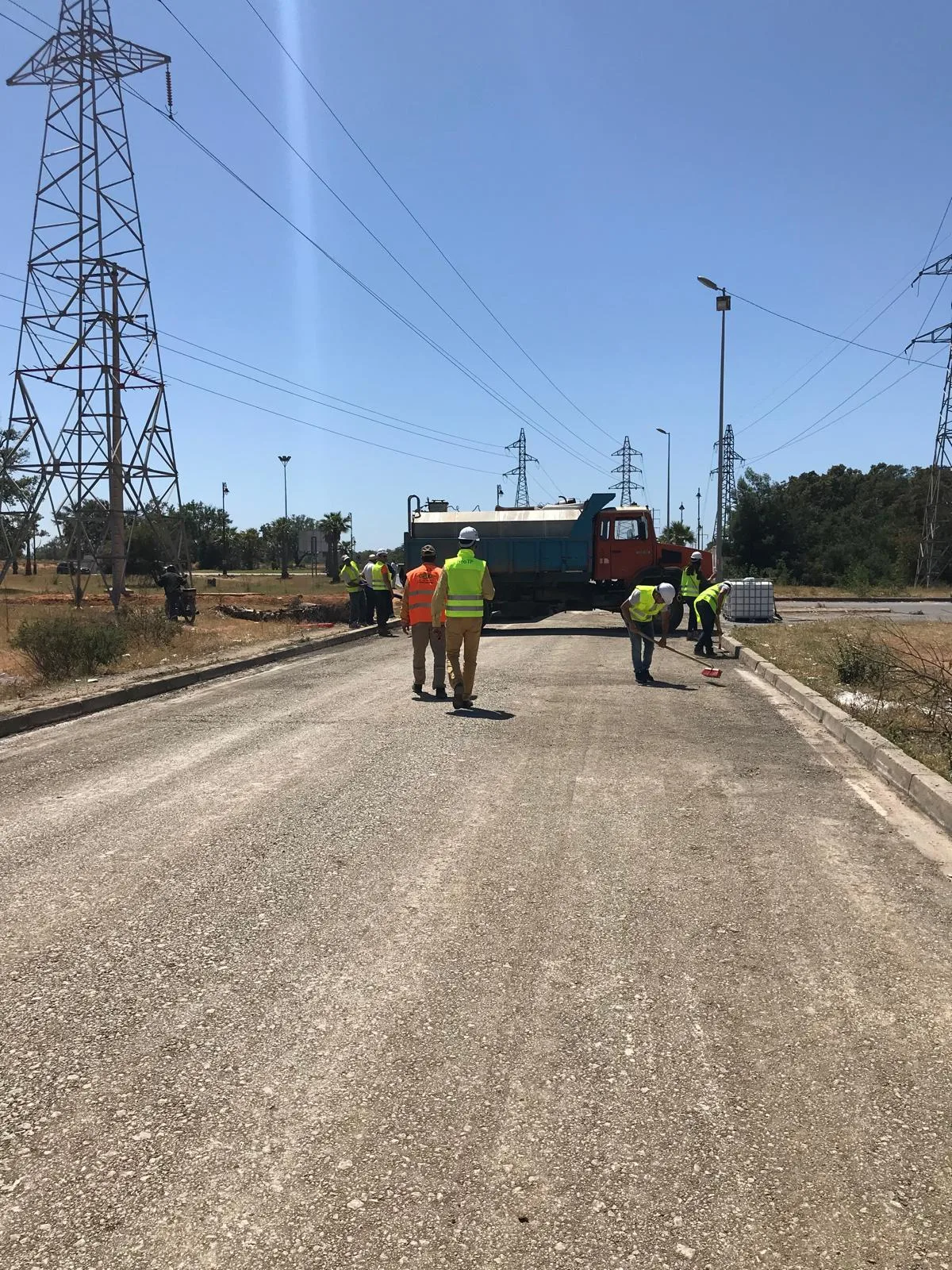
Solecovia role
Your LL-TECH partner in Canada
Solecovia is responsible for LL-TECH sales, distribution, and deployment in Canada.
We also support teams with technical guidance and training to ensure reliable, fast, and durable implementation.
Goal: contribute concretely to reducing climate impact in Canada through lower-footprint road infrastructure.
Frequently asked questions from municipal engineers
Solecovia deploys LL-TECH for stronger, greener roads
Let us discuss your project and the potential environmental and economic gains.