
LL-TECH by SOLECOVIA
Environment
No bitumen. No heating. No asphalt plant. No acute aquatic toxicity — confirmed by EPA-method testing.
Carbon impact
LL-TECH road construction project in progress
Conventional asphalt requires bitumen heated above 150 °C and cement kilns burning above 1,400 °C — two of the largest single sources of CO₂ in road construction. LL-TECH eliminates both.
A Fundamentally Different Approach
Roads built without burning anything
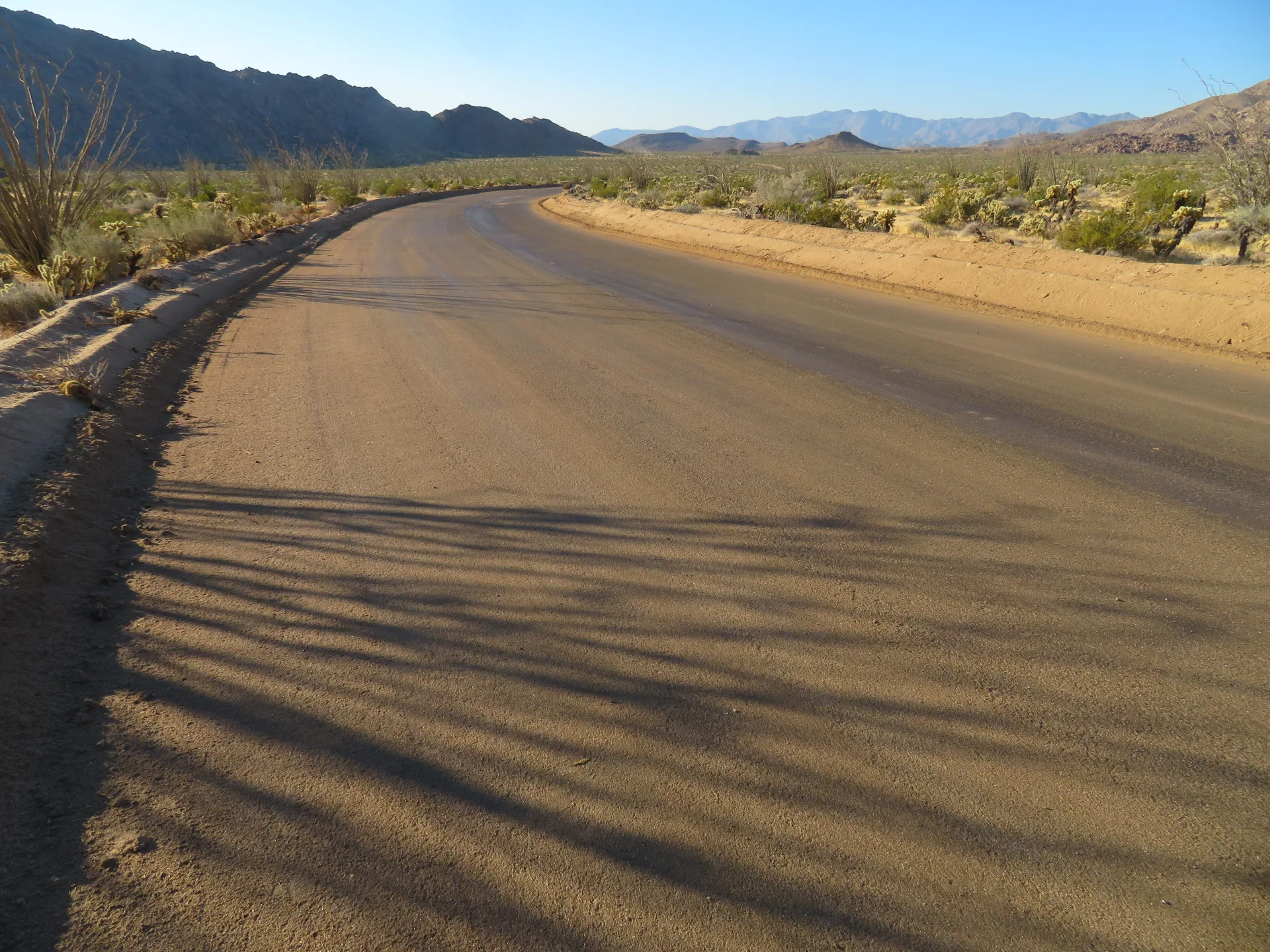
Traditional road construction relies on petroleum-based materials, high-temperature processes, and heavy logistics that generate significant emissions of CO₂, fine particulate matter, and volatile organic compounds.
LL-TECH builds or rehabilitates roads using the materials already on site — without bitumen, without heat, without combustion. It removes the three largest carbon contributors of conventional road construction in a single step: bitumen heating, asphalt-plant logistics and long-distance material transport.
The result: a road that is engineered to last decades, built by working with the environment — not against it.
Water safety
No acute aquatic toxicity — confirmed
Independent EPA-method testing by Coastal Bioanalysts, Inc. (VELAP #460030, EPA #VA01116) on simulated rainfall runoff from LL-TECH-treated road material — at the average rainfall rate for the State of Tennessee — found no statistically significant lethality to either freshwater test species, even at 100% undiluted runoff.
Built next to the Bay
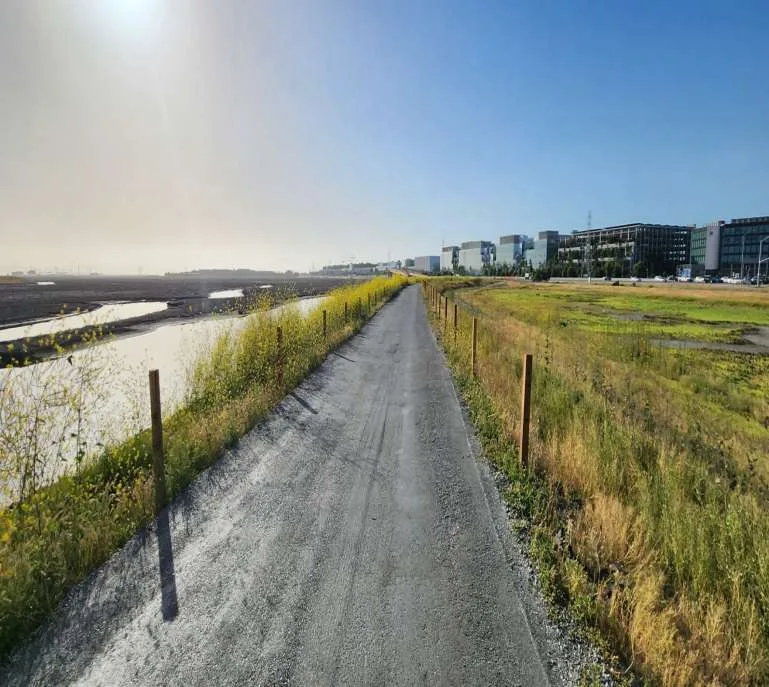
Specified for direct proximity to a protected ecosystem
Ravenswood Trail (Bedwell Bayfront Park, Menlo Park, CA — May 2024): 40,000 sq. ft. of multi-use trail built directly inside a nature reserve adjacent to San Francisco Bay. LL-TECH was specifically selected for its non-toxic profile so native birdlife and aquatic species could continue to thrive.
Beyond aquatic safety, LL-TECH is non-porous in nature — it does not disrupt saline or non-saline water levels — and is biodegradable: it can be broken up and reused at the end of its service life rather than sent to landfill.
Environmental Certifications
Independently validated environmental safety
- Coastal Bioanalysts (VELAP #460030, EPA #VA01116) — no acute aquatic toxicity to Ceriodaphnia dubia or Pimephales promelas; LC50 > 100% (2013)
- U.S. OSHA / TSCA / WHMIS — per product MSDS, not classified as a hazardous chemical under 29 CFR 1910.1200, all components listed under TSCA, all components on the Canadian DSL or below NDSL reporting threshold; not RCRA hazardous waste; not regulated under US DOT, TDG, or IATA
- U.S. Fish & Wildlife Service — site-specific approval for use in Alabama beach mouse (Peromyscus polionotus ammobates) habitat (2017)
- Tennessee Valley Authority (TVA) — official approval for road and environmental stabilization
Safe everywhere
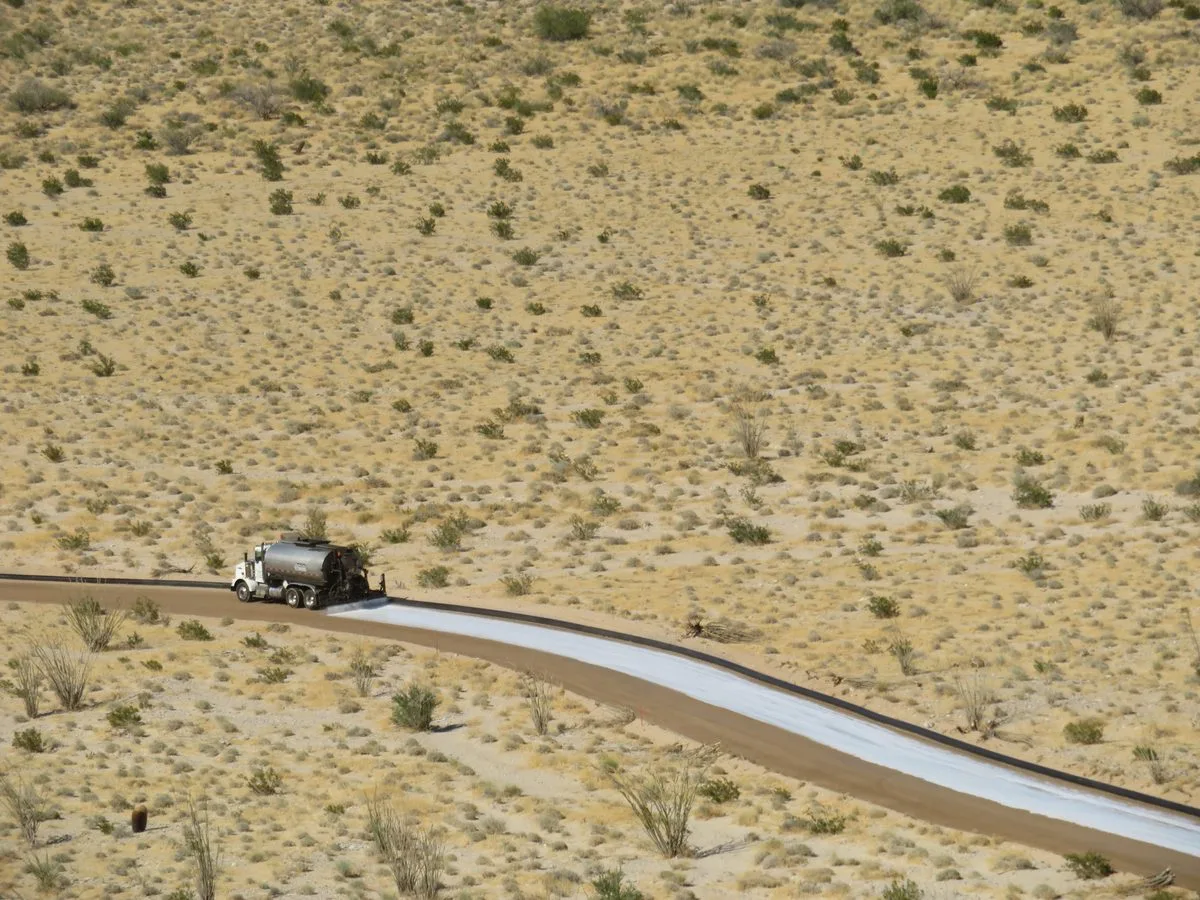
Deployed near bays, rivers, forests and farmland — with no measurable impact
14 years of deployment across 38 countries — including coastal, marine, agricultural, forest and protected biodiversity zones. The Ravenswood Trail project (Menlo Park, CA) confirmed safe construction directly adjacent to the San Francisco Bay ecosystem; the Uganda UNRA pilot confirmed zero harmful impact under tropical high-rainfall conditions.
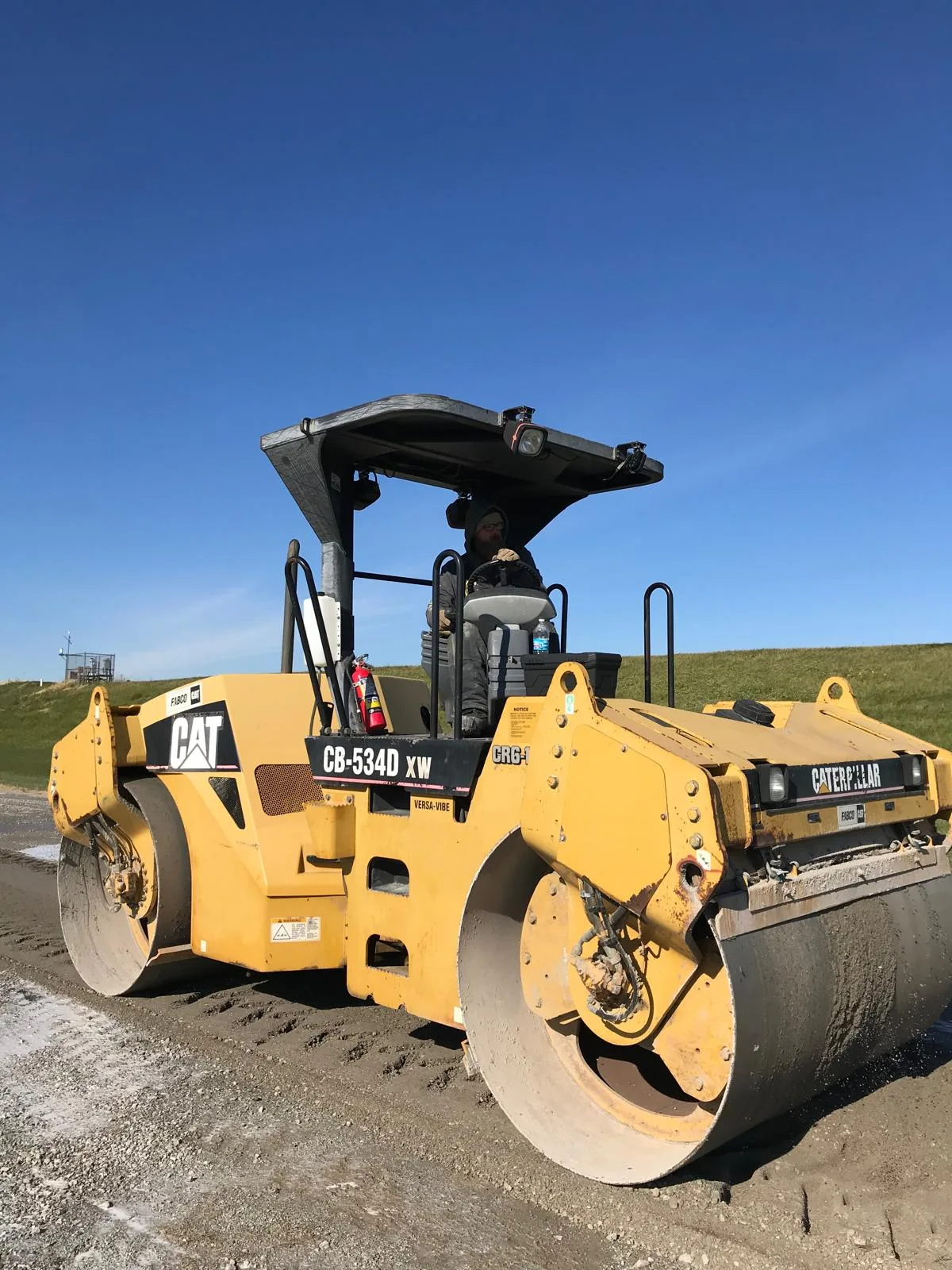
Lower carbon. Safer water. Same road that lasts decades.
Contact SOLECOVIA to evaluate LL-TECH for your highway rehabilitation or new construction project.
Contact SOLECOVIA